PLAN YOUR TIME · WHEN TO GO
Best Time to Visit Hallstatt
When to visit Hallstatt: month-by-month weather and crowds, the best time of day, and which season suits you. Independent and updated November 2026.
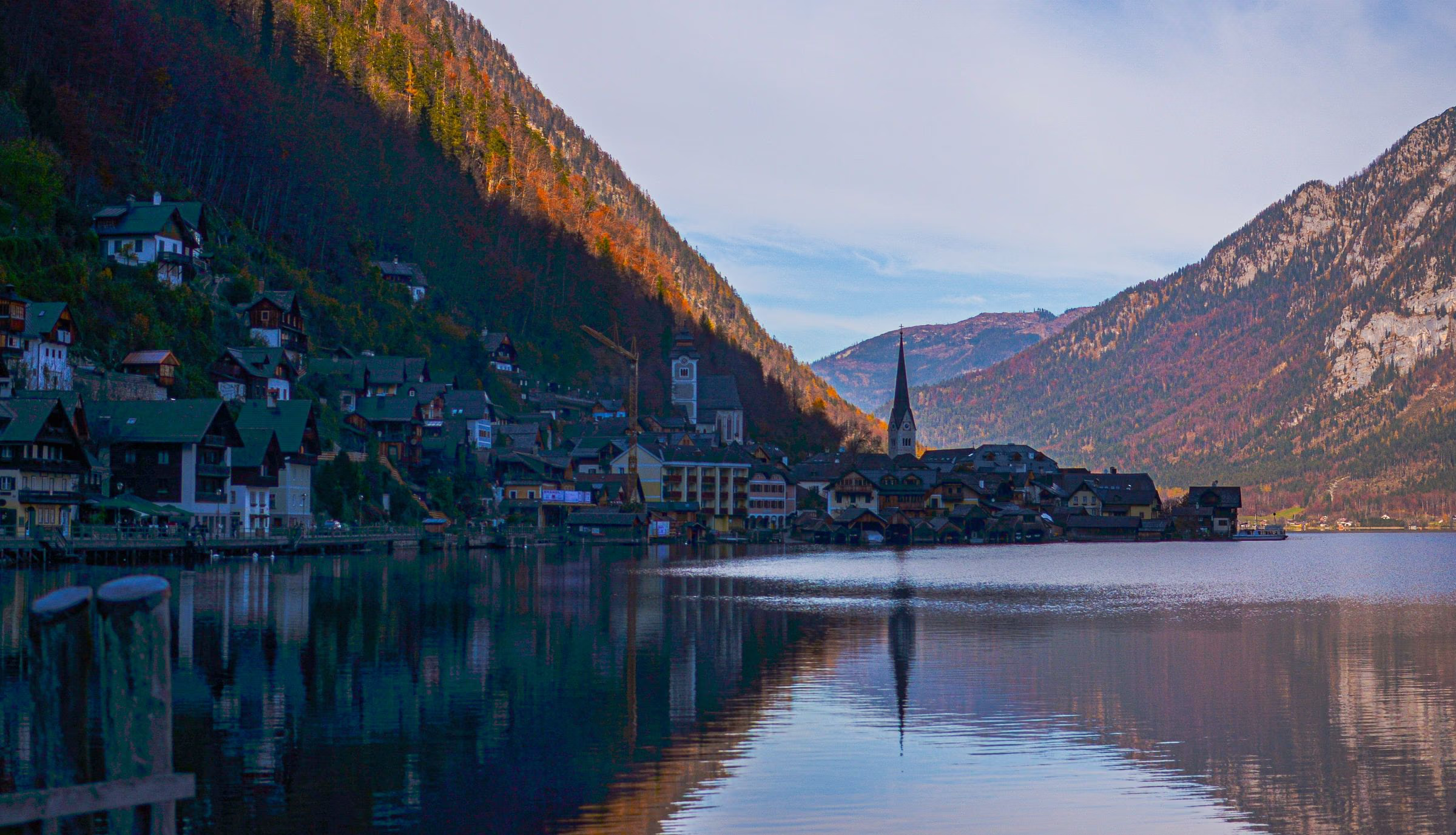
The best months to visit Hallstatt are June and September, when days are long, the lake is green-blue and there are fewer people than in July and August. Winter (outside Christmas week) is the quietest season but brings cold, short days and some closures. Whatever the month, the village is at its best before about 9am and after the coaches leave in the late afternoon, which is why staying one night beats any choice of date.
Hallstatt has roughly 750 residents and a very large number of day visitors, so “when” is really two questions: which season gives you the weather you want, and which hours let you see the village without a wall of people. This page answers both. If you already know your dates, our day-by-day plan shows how to fill them.
The short answer by season
Pick the shoulder seasons for the best balance; pick winter for quiet; avoid midsummer middays.
- Late May to June: green slopes, long evenings, snow still on the high peaks. Busy, but not yet at peak.
- July and August: warmest weather, swimming in the lake, the most visitors and the most afternoon thunderstorms.
- September to mid-October: settled days are common, autumn colour arrives on the slopes, crowds ease after the summer holidays. Weekends and some holiday periods for Asian visitors can still be busy.
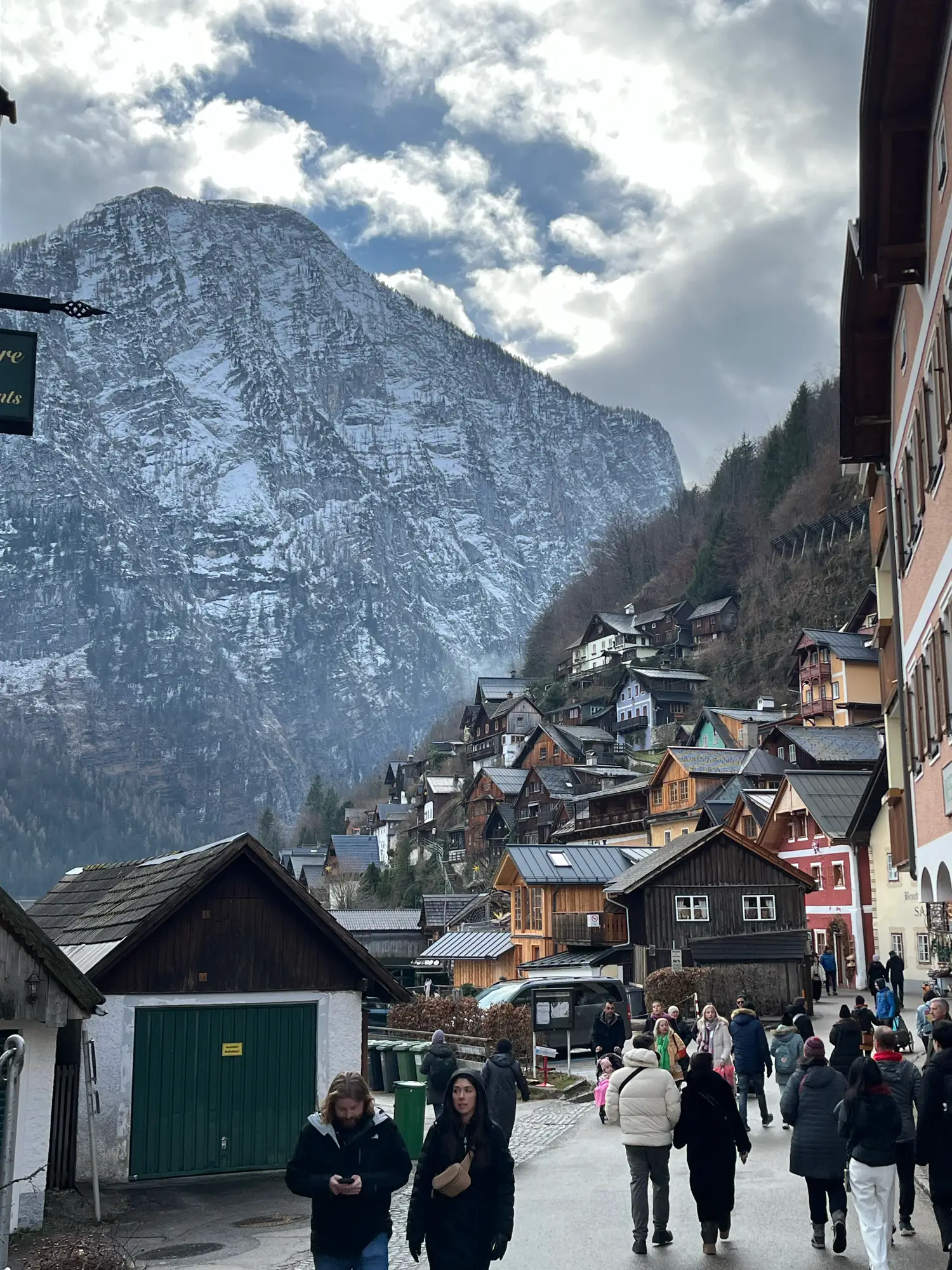
- November to March: cold, short days, fog or snow. Very calm on weekdays, except the Christmas to New Year stretch.
Hallstatt month by month
This table is a general guide, not a forecast. Weather is described in plain terms rather than with exact averages; crowd levels reflect typical patterns and shift with weekends, school holidays and events.
| Month | Weather (general) | Crowds | Good for |
|---|---|---|---|
| January | Cold, often below freezing, snow possible in the village | Low (quiet after New Year) | Snowy views, empty lanes; salt mine closed 7–29 Jan 2027 |
| February | Cold, snowy spells | Low to moderate (school ski holidays) | Winter photos, Dachstein snow trips |
| March | Cool, mix of late snow and thaw | Low | Quiet walks, early spring light |
| April | Mild days, cold nights, showers | Moderate, busier around Easter | Spring flowers in the valley |
| May | Warming, changeable, some rain | Moderate to high | Green slopes, longer days |
| June | Warm, long days, thunderstorms possible | High | Hiking, early-morning light |
| July | Warmest, humid spells, afternoon storms | Very high | Lake swimming, boat cruises |
| August | Warm, storms possible | Very high | Swimming, hiking, long evenings |
| September | Mild to warm, often settled | High, easing | Hiking, clearer air |
| October | Cooler, fog in the mornings, colour on the slopes | Moderate | Autumn colour, quieter weekdays |
| November | Cold, damp, fog or first snow | Low | Calm, moody lake views |
| December | Cold, snow possible | Moderate, high around Christmas and New Year | Advent atmosphere, snowy roofs |
Because the village sits under a steep mountainside on the west shore, it loses direct sun early in the afternoon in winter. That is good for soft light on the houses across the water, less good if you want to sit outside.
The best time of day
Before 9am and after about 5pm. The month you choose changes the scale of the crowds; the hour you choose decides whether you meet them.
A general guide based on typical day-trip and coach patterns, not live data. Weekends, holidays and cruise or coach peaks can shift it.
Day-tour coaches use a booked slot system at the coach terminal, which opens at 08:00 according to the Hallstatt parking operator, so the main street fills from mid-morning and empties in the late afternoon. Our guide to quieter times of day covers this in detail, including where to be when the groups arrive.
The practical fix is simple. Put the narrow lanes, the market square and the lakeside photo spots at the start and end of your day, and use the busy middle hours for the salt mine, a hike or a boat. That only works if you are there at 7am or 8pm, which means staying overnight in the village or nearby in Obertraun, Gosau or Bad Goisern.
Season by season
Spring (April to early June)
Spring is the underrated choice: green, fresh and calmer than summer. Snow lingers on the Dachstein while the valley turns green, and the evenings stretch out. Weather is the gamble: a sunny week and a wet week are equally likely in April. Our guide to Hallstatt in spring goes month by month.
Summer (late June to August)
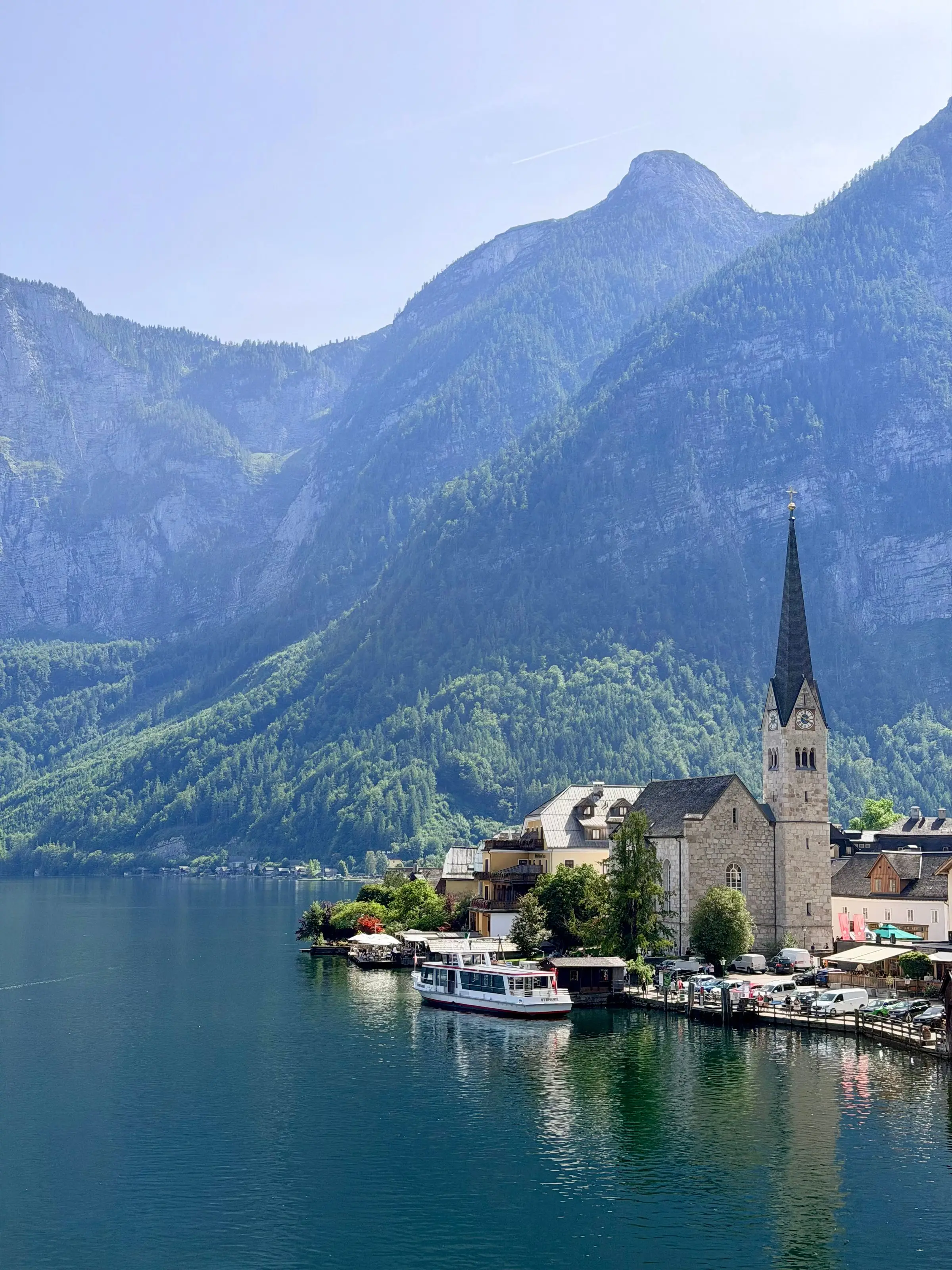
Summer has the best weather and the worst crowds. It is the season for swimming, lake cruises and high trails. The regular lake round trips run from May to September, according to the Hallstättersee ferry operator, as of November 2026. Expect the busiest days of the year and book rooms early. For what to do, see the summer guide.
Autumn (September to October)
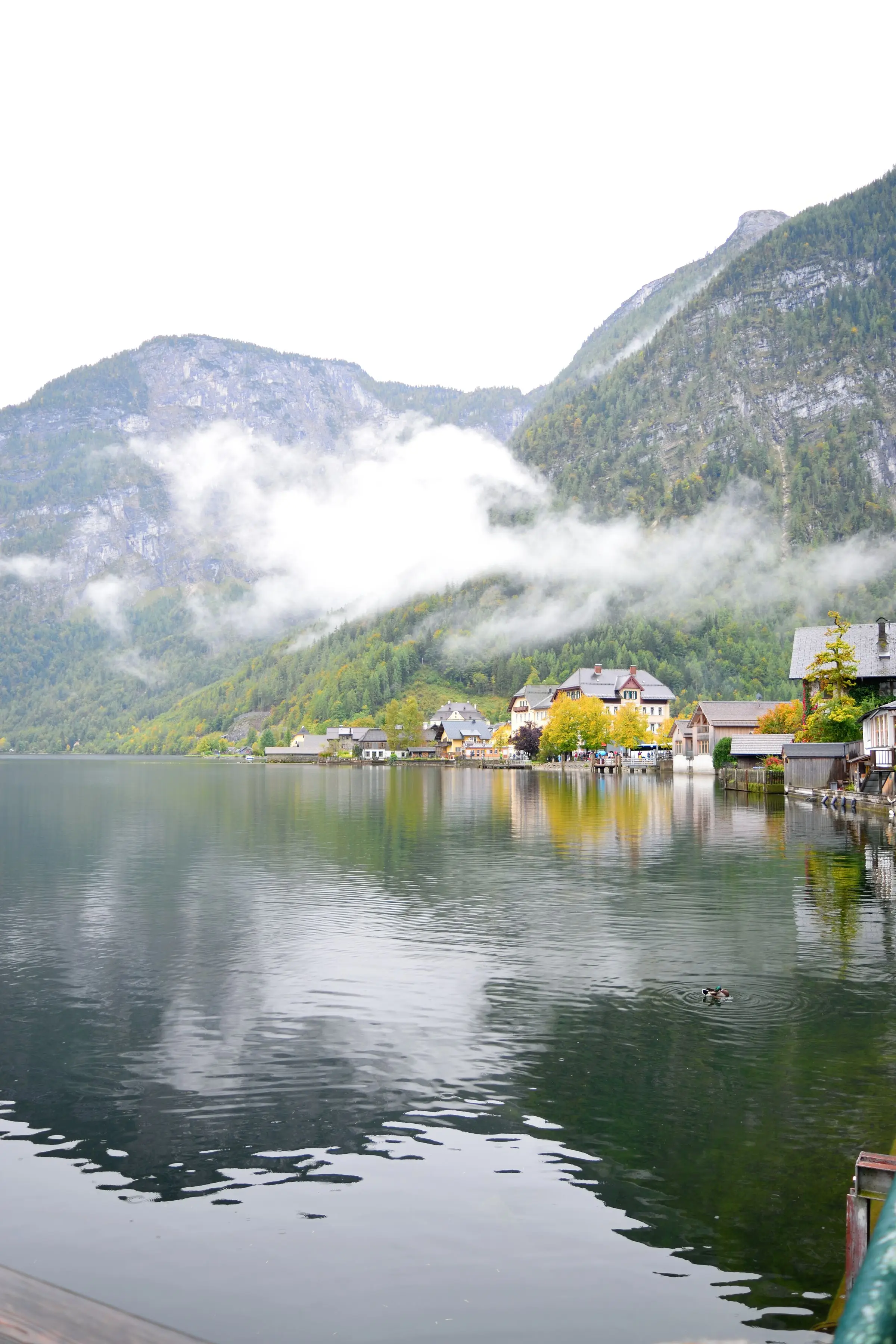
Early autumn is our pick for most people. The summer crowds thin after the school holidays, mornings bring mist on the lake, and the slopes turn gold through October. It cools quickly, and some seasonal services wind down as the month goes on. Read more on Hallstatt in autumn.
Winter (November to March)
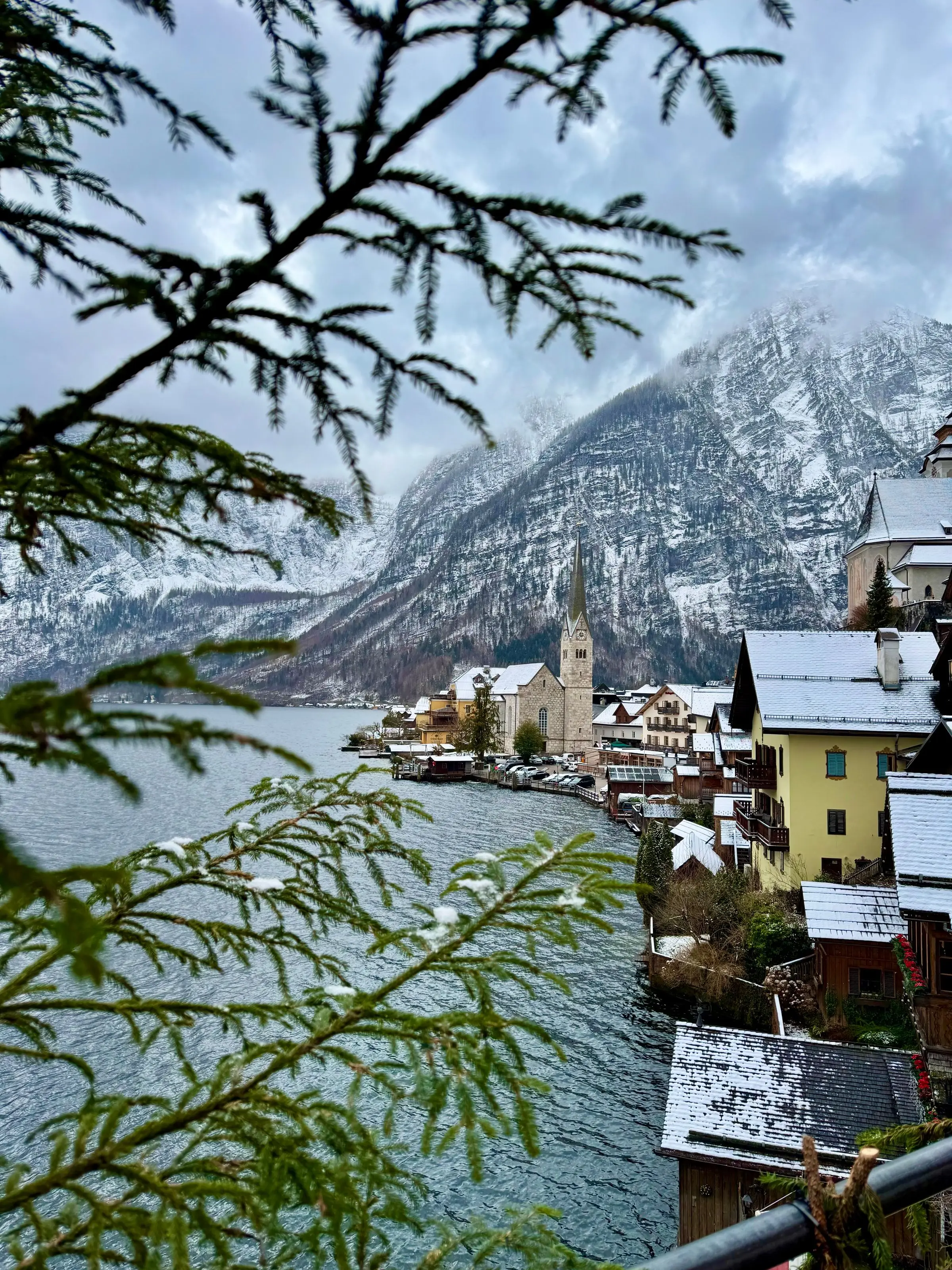
Winter is for people who want quiet and do not mind the cold. Snow on the rooftops is never guaranteed but often happens, and weekday mornings can feel almost private. Christmas, New Year and the Advent weekends are the exception. Some attractions close or shorten their hours: as of November 2026, Salzwelten lists the salt mine and funicular as closed from 7 to 29 January 2027 and on 24 and 31 December. Check what is open in winter before you fix your dates.
What changes with the seasons
A few things only run part of the year, so check them against your dates.
- Salt mine and funicular: open most of the year, with a January closure and shorter winter hours. The last tour time changes by season, so check the operator’s page above.
- Lake cruises: the round trips are a May to September service. The ferry between the train station and the village runs all year, timed to the trains.
- High-mountain trips: cable cars and caves on the Dachstein have their own seasons and maintenance breaks; check the operator before planning around them.
- Rooms: the village has few beds, and summer weekends and the Christmas period fill first.
Plan for rain in any month
Hallstatt sits on the northern edge of the Alps, where cloud piles up against the mountains, so wet days happen in every season. Summer often brings short, heavy afternoon storms rather than all-day rain; autumn and winter are more likely to bring low cloud that hides the peaks for a whole morning.
Build one flexible slot into your plan. The salt mine works in any weather because most of it is underground, and a grey, still day is often the best time for reflections on the lake. Pack a waterproof layer and shoes with grip all year: the lanes are steep, the steps get slippery, and in winter they can be icy first thing.
Which season suits you?
Match the season to what you want from the trip, not to the photos you have seen.
- First trip, want the classic views without the worst crowds: June or September, one night in or near the village.
- Families who want to swim and hike: July or August, but base yourself in Obertraun or Gosau and do the village early.
- Photographers: October mornings for fog and colour, or a snowy weekday in January or February.
- Tight budget: November, March and weekdays in early spring usually have the widest choice of rooms.
- Day-trippers who cannot stay over: any season works if you arrive early; read how many nights to book first, because one night changes the experience more than any month does.
Once you have picked your season, our guide to the main Hallstatt sights helps you choose what to fit in.
Book ahead
Plan your trip
Stay
Find a room in Hallstatt or nearby
Rooms in the village go first. Obertraun, Gosau and Bad Goisern are quieter bases a short ride away.
Check hotel availability →Tours & tickets
Salt mine, Dachstein and day tours
Book timed tickets and guided day tours from Salzburg or Vienna ahead of busy dates.
See tours and tickets →Affiliate links: we may earn a commission at no extra cost to you. How this works.
So when should you go?
Book June or September if you can, and stay at least one night so you have the village to yourself at the edges of the day. If those months don’t work, choose winter weekdays for calm or midsummer for swimming, and in either case plan your lakeside wandering for early morning. Your next step: check room availability for your dates, then build the day around the quiet hours.
In this section
Every guide in this section
 SeasonsHallstatt in springHallstatt in April and May: weather, Easter 2027, when the salt mine, Dachstein cable car, ice caves and lake cruises reopen, and how to beat the crowds.
 SeasonsHallstatt in autumnHallstatt in September and October: autumn colours, fog on the lake, thinner crowds, and when the Dachstein, ice caves, cruises and salt mine change hours.