THINGS TO DO · BONE HOUSE
Hallstatt Bone House (Beinhaus)
The Hallstatt Beinhaus holds about 1,200 skulls, 610 of them painted. Why it exists, how to find it, entry details and how to visit respectfully.

The Hallstatt bone house (Beinhaus) is in St Michael’s Chapel next to the Catholic parish church, on the hillside above the market square. It holds about 1,200 skulls, 610 of which are painted, arranged by family and marked with the date of death; the painting tradition began in 1720. The tourism board lists entry at €2 for adults and daily opening from 11:30 to 14:30 from November 2026.
Most visitors spend their time on the lakeshore and never climb the steps to the church. That is a mistake: the bone house is short, cheap and unlike anything else you will see in Austria. It is also a sacred place for the parish, and the best visits are the quiet ones.
It fits easily into a half day with the salt mine, which starts a few minutes’ walk away at the southern end of the village. For the bigger picture, see our guide to the best things to do in the village.
Why Hallstatt keeps a bone house
Space. Hallstatt is squeezed between the lake and a steep mountain, and the churchyard sits on a small terrace with no room to grow.
For centuries the answer was to reuse graves. After a set period, remains were exhumed, the bones cleaned and bleached in the sun, and the skulls and long bones moved into the charnel house. The parish listing on the regional tourism site says the ossuary has existed since the 12th century.
From 1720, families started painting the skulls. The same listing says 610 of the roughly 1,200 skulls are painted, arranged by family and marked with the date of death. Common motifs are wreaths of oak and laurel leaves, roses and ivy, often with the person’s name. The most recent skull came in 1995 and sits to the right of the cross.
It sounds macabre written down. In person it feels more like a family album than a horror story: rows of names and dates, some from the same houses you walked past to get here.
How to find it
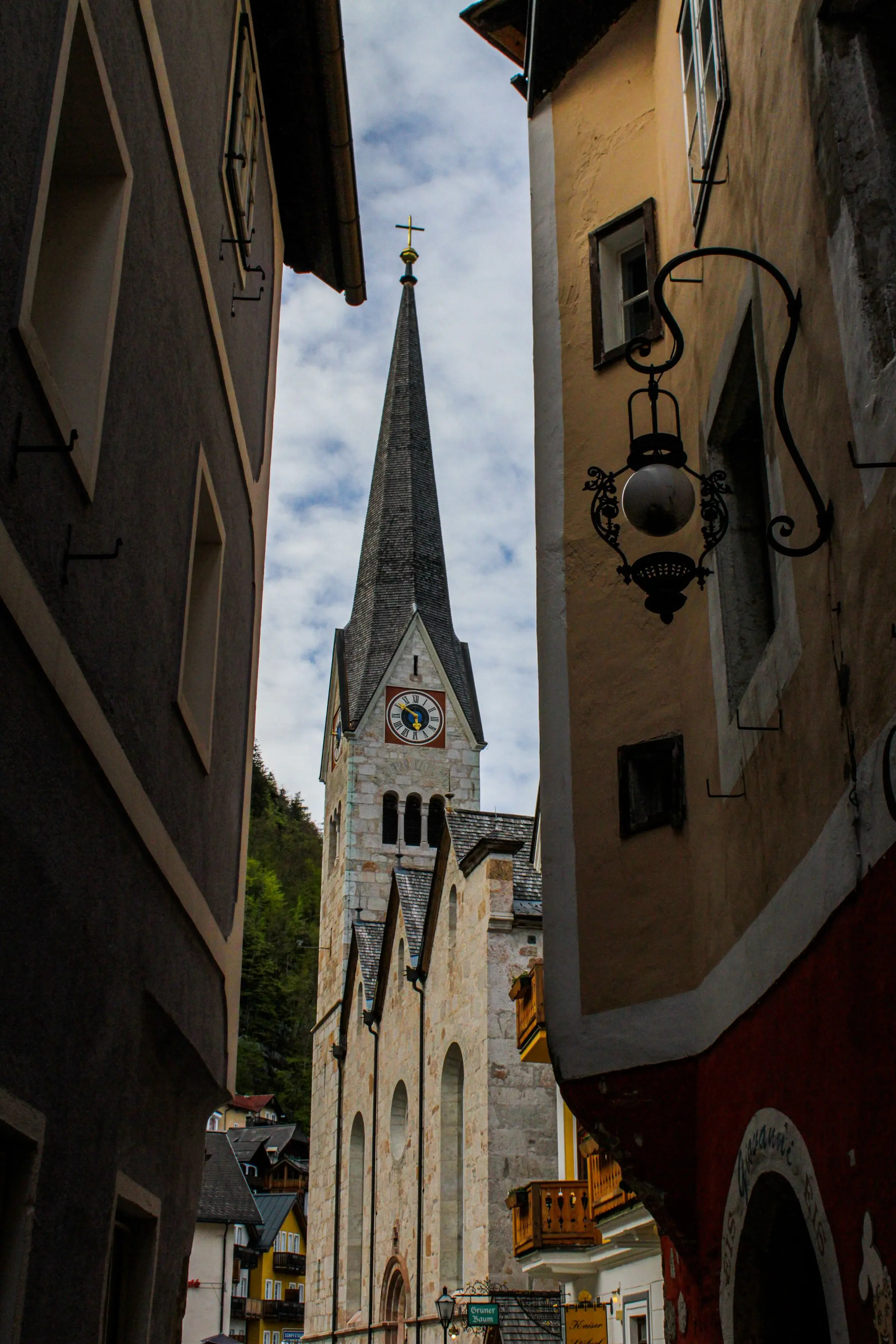
Climb from the market square to the Catholic church on the hillside above. The bone house is in the small chapel beside the church, at the edge of the cemetery.
From the market square, follow the signs for the Catholic parish church (Katholische Pfarrkirche) up the steps and lanes behind the square. It takes five minutes, but the steps are steep and can be icy in winter; wear shoes with grip. The listed address is Kirchenweg 40.
The way up is steep and stepped, so it is hard going with a wheelchair or pushchair.
Entry, opening times and what to expect
The visit takes 15 to 20 minutes. Pay at the entrance, ideally with coins.
| Detail | What the listing says (as of November 2026) |
|---|---|
| Adults | €2.00 |
| Children (6–15) | €0.50 |
| May to September 2026 | Daily 10:00 to 18:00 |
| October 2026 | Daily 10:00 to 17:00 |
| From November 2026 | Daily 11:30 to 14:30 |
Source: Beinhaus in der Michaelskapelle, Salzkammergut tourism, checked November 2026. These are the parish’s published hours, but a chapel can close at short notice for funerals or services, so treat them as a guide. If you are visiting in deep winter, call the parish office or ask at the tourist information first.
Inside it is a single small room. The skulls are stacked on shelves along the walls with long bones stacked beneath them. Expect a few people at a time; when a tour group arrives it gets full quickly, so wait outside for a couple of minutes if it is crowded.
The Catholic church and the cemetery
Give yourself ten minutes in the churchyard and the church as well. They are part of the same visit.
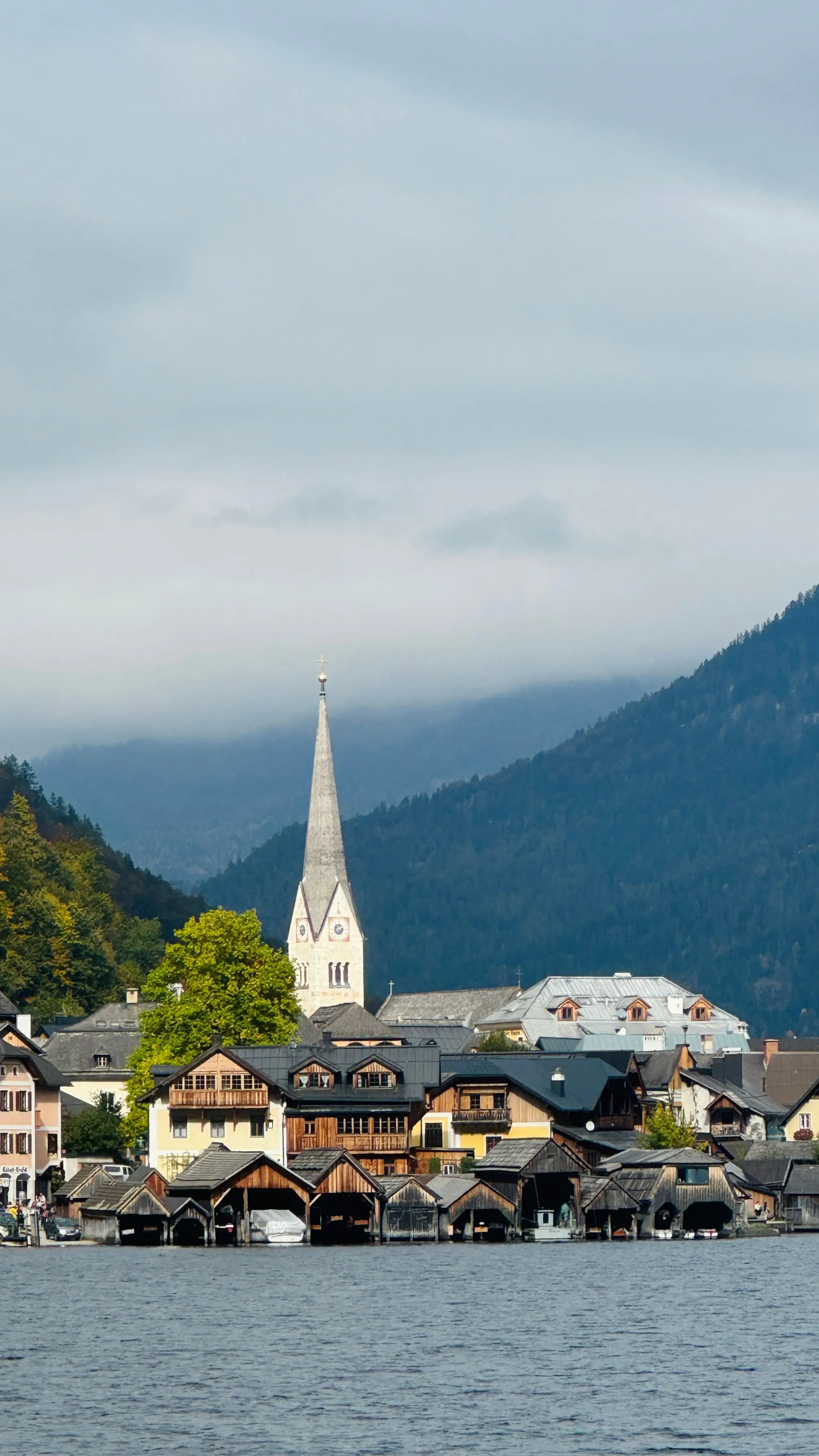
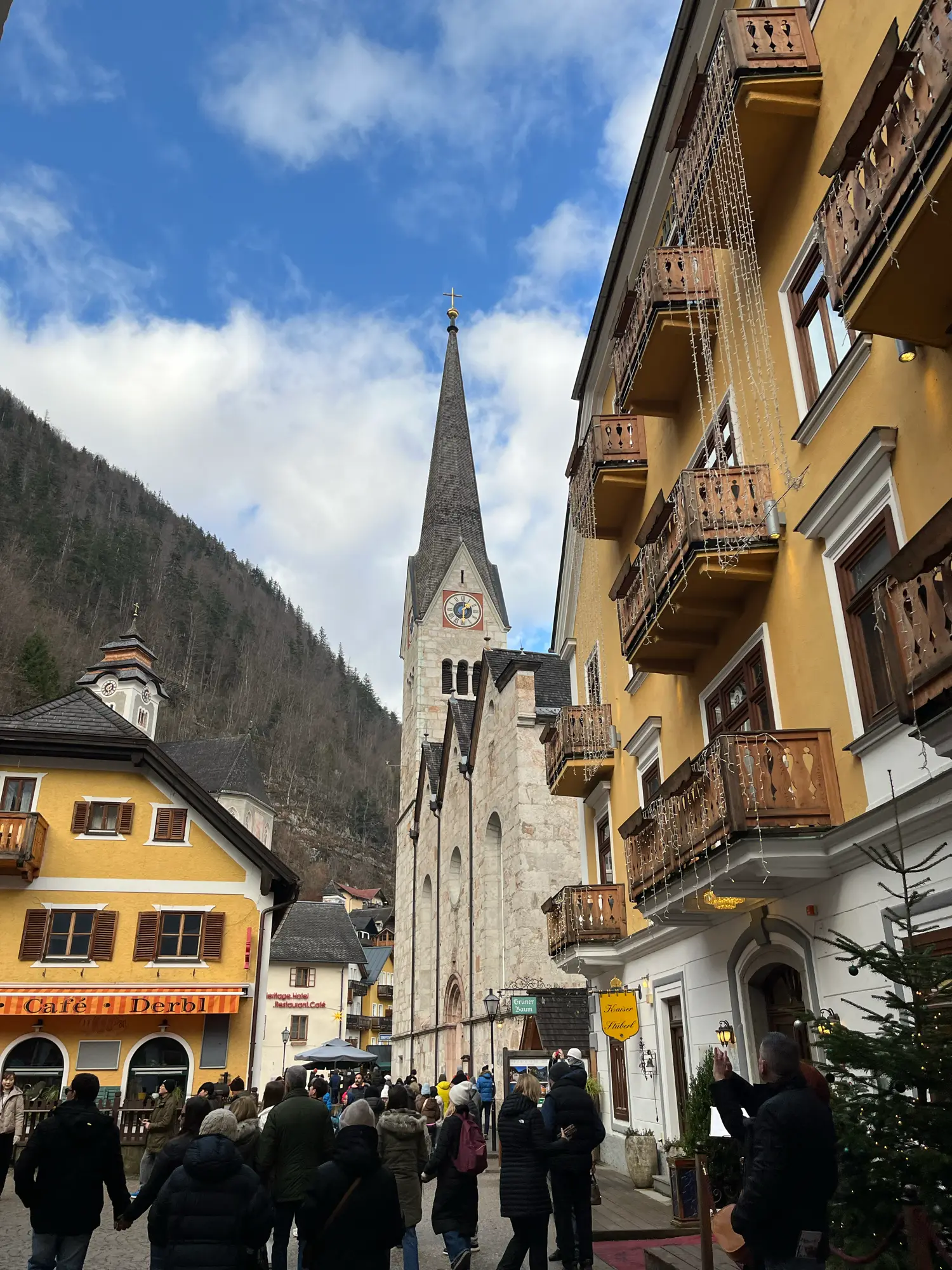
The cemetery is tiny and still in use, with carved wooden and wrought-iron crosses and views straight down onto the rooftops and the lake. The parish church above it is the older of the village’s two churches and has a late-Gothic carved altar. The spire you see in the famous photographs belongs to the other church, the Protestant one on the lakefront.
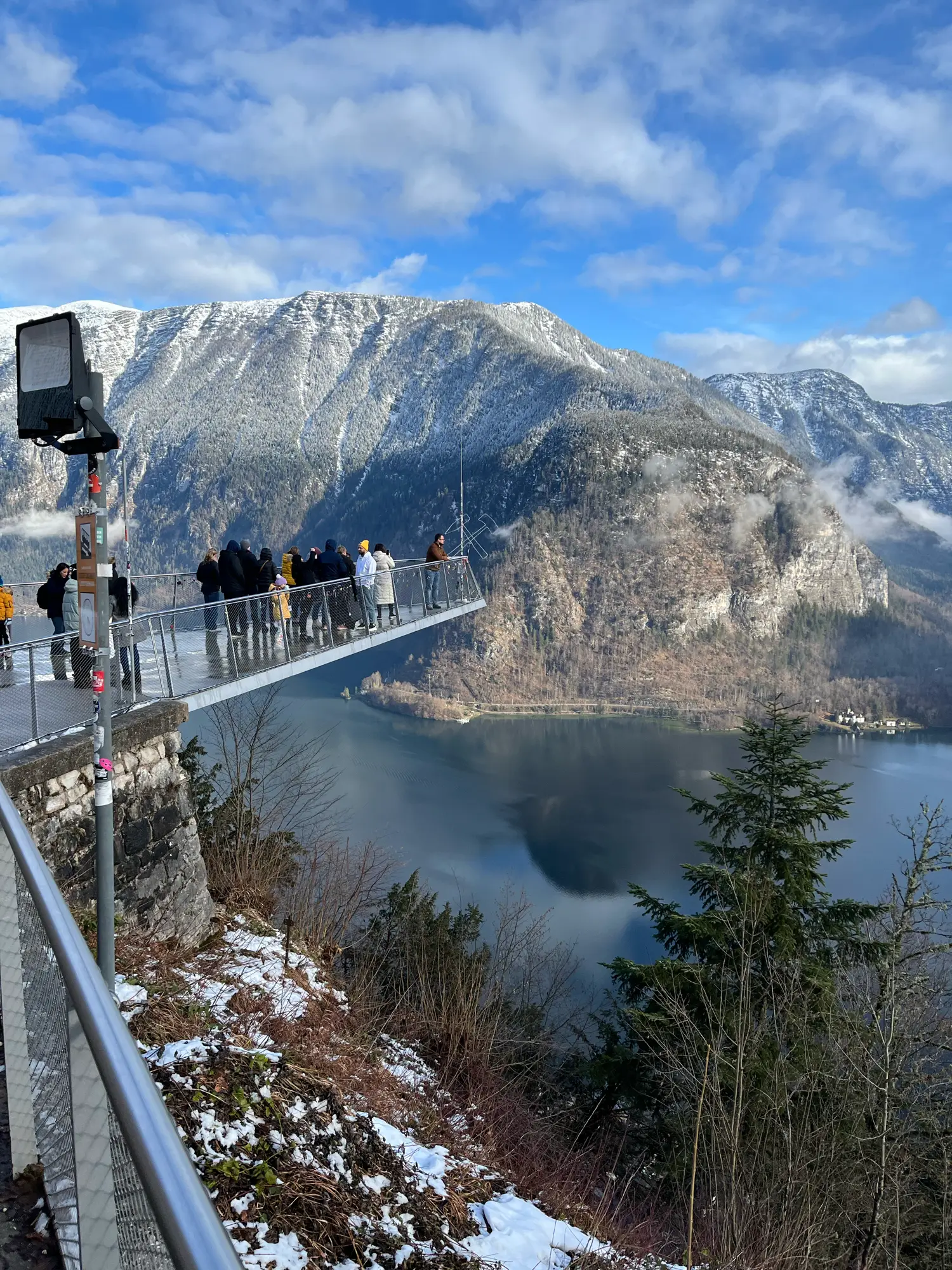
From the churchyard wall you can see why the village had no room for more graves. On a clear day it is also one of the best free views over Hallstatt, though nothing like the height of the World Heritage viewing platform up on the Salzberg.
Etiquette: how to visit respectfully
This is a burial place and an active parish, not a museum exhibit.
These are the same basics that apply across the village. Our page on how to visit respectfully covers the rest, from quiet residential lanes to drones.
Who it suits (and who should skip it)
Most adults find it fascinating, and older children with an interest in history usually do too. It is a short, low-effort stop on a wet day.
Skip it if you are uneasy around human remains or travelling with young children who might be frightened. Nothing about it is gory, but it is unmistakably a room full of skulls. In that case, the churchyard view on its own is still worth the climb.
Where to go next
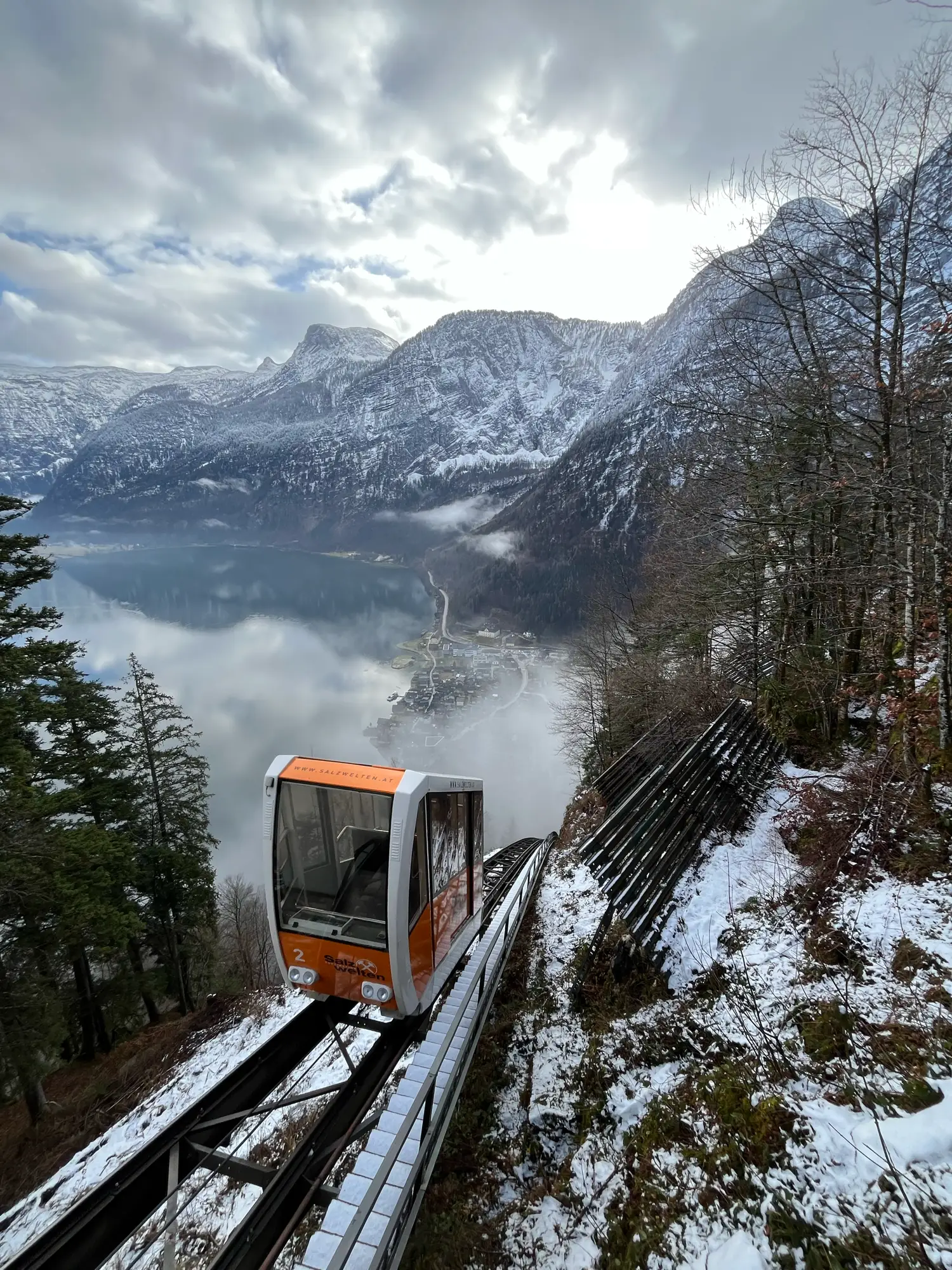
Walk back down to the market square and head north along the lakeside road for the famous photo spot, about five minutes away. Or, if you have three hours and good weather, go south to the funicular and up the Salzberg.
Book ahead
Plan your Hallstatt day
Stay
Find a room in Hallstatt or nearby
Rooms in the village go first. Obertraun, Gosau and Bad Goisern are quieter bases a short ride away.
Check hotel availability →Tours & tickets
Salt mine, Dachstein and day tours
Book timed tickets and guided day tours from Salzburg or Vienna ahead of busy dates.
See tours and tickets →Affiliate links: we may earn a commission at no extra cost to you. How this works.
Should you go?
Yes. It costs a couple of euros, takes twenty minutes, and tells you more about how people actually lived and died in Hallstatt than anything else in the village. Go in the late morning before the lunchtime crowds or just after the doors open in winter, keep your voice down, and spend a few extra minutes in the churchyard looking out over the roofs.